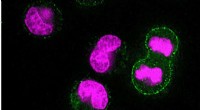
Here's how it works:
* Rough ER: Studded with ribosomes, the rough ER is involved in protein synthesis and folding. It also helps transport these proteins to other parts of the cell.
* Smooth ER: Lacks ribosomes and plays a crucial role in lipid synthesis, detoxification, and calcium storage.
The ER acts like a network of interconnected membranes and sacs, acting as a sort of "highway" within the cell. Materials move through the ER via vesicles, small membrane-bound sacs that bud off from the ER and transport their contents to other organelles or the cell membrane.
Here are some other components that play a role in cellular transport:
* Golgi apparatus: Modifies, sorts, and packages proteins and lipids that have been synthesized by the ER.
* Vesicles: Small, membrane-bound sacs that transport materials within the cell.
* Cytoskeleton: A network of protein filaments that provide structure and support to the cell, and also facilitate the movement of organelles and vesicles.
* Cytoplasm: The fluid that fills the cell and allows for the diffusion of small molecules.
So, while the ER is the primary organelle responsible for transport within the cell, it works in concert with other structures to ensure efficient material movement.