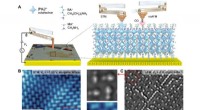
* Stable Structure: The double helix provides a strong, stable structure that protects the genetic information encoded within. The two strands of DNA are held together by hydrogen bonds between complementary base pairs (Adenine with Thymine, Guanine with Cytosine), creating a ladder-like structure. This structure is further stabilized by the sugar-phosphate backbone on the outside of the helix.
* Information Storage: The sequence of base pairs (A, T, G, C) along the DNA molecule is the genetic code. This code contains the instructions for building and maintaining an organism. The double helix structure ensures that the sequence of bases is accurately copied during cell division, ensuring that each new cell receives a complete set of genetic instructions.
* Replication and Transcription: The double helix structure allows for the easy replication of DNA during cell division. Each strand serves as a template for the creation of a new complementary strand. This ensures that every daughter cell receives a complete and identical copy of the genetic information. Similarly, the process of transcription, where the DNA code is copied into RNA, relies on the double helix structure.
* Packing Efficiency: The compact, spiral shape of DNA allows for efficient packing within the nucleus of a cell. This is particularly important in eukaryotic cells, which have much more DNA than prokaryotic cells.
In short, the double helix shape of DNA is the perfect structure to fulfill the molecule's vital roles in:
* Storing genetic information
* Replicating accurately
* Controlling protein synthesis
* Evolving and adapting over generations
Think of it like this: the double helix is like a very long, twisted ladder. The rungs of the ladder represent the genetic code, and the sides of the ladder are the sugar-phosphate backbones that hold the molecule together. This simple yet elegant structure is the foundation of life as we know it.