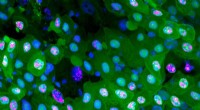
Here are some of the main types of immune cells:
* White blood cells (leukocytes): These are the main players in the immune system. They are found in the blood and lymphatic system and can be broadly classified into:
* Phagocytes: These cells engulf and destroy pathogens, like bacteria and fungi. Examples include neutrophils, macrophages, and dendritic cells.
* Lymphocytes: These cells are responsible for recognizing specific pathogens and initiating an immune response. They can be further categorized into:
* T lymphocytes (T cells): These cells kill infected cells and help regulate the immune response.
* B lymphocytes (B cells): These cells produce antibodies that bind to and neutralize pathogens.
* Natural killer cells: These cells kill infected cells without needing to recognize specific pathogens.
It's important to remember that these cells are not the only actors in the fight against germs. Other components of the immune system, like antibodies, cytokines, and complement proteins, also play crucial roles.