Here's why:
* Animals lack chloroplasts: Photosynthesis takes place in chloroplasts, which are organelles found only in plant cells.
* Animals lack the enzymes: Animals lack the specific enzymes needed to capture light energy and convert it into chemical energy like plants do.
However, photosynthesis is indirectly crucial for animal survival:
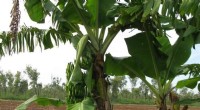
* Food source: Plants produce glucose (sugar) during photosynthesis, which serves as the primary food source for herbivores. Carnivores then obtain energy by consuming herbivores.
* Oxygen production: Photosynthesis releases oxygen as a byproduct. This oxygen is essential for animals to breathe and survive.
* Climate regulation: Plants absorb carbon dioxide during photosynthesis, which helps regulate the Earth's climate and reduces greenhouse gases.
In summary, while animals don't directly benefit from photosynthesis, it's a vital process that allows them to obtain food, breathe, and live in a stable climate.