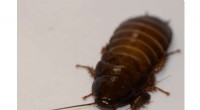
* Decomposers: These are the "clean-up crew" of the environment. They break down dead organic matter (plants, animals, and waste) into simpler substances.
* Examples:
* Fungi: Mushrooms, molds, and yeasts.
* Bacteria: Many different types found in soil and water.
* Some insects: Termites, dung beetles, and earthworms.
How Decomposers Work:
Decomposers release enzymes that break down complex molecules in dead organisms into simpler substances like carbon dioxide, water, and nutrients. These substances are then released back into the soil and atmosphere, making them available for other organisms to use.
Why Decomposers Are Important:
* Nutrient Cycling: They recycle essential nutrients like nitrogen and phosphorus, which are necessary for plant growth.
* Soil Health: Decomposers contribute to the formation of fertile soil.
* Waste Removal: They break down waste products, preventing the accumulation of harmful materials.
So, while your statement is mostly correct, it's important to remember that decomposers break down both animals and plants, playing a vital role in maintaining a healthy ecosystem.