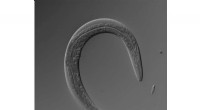
1. Observation and Collection:
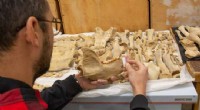
* Discovery: Scientists often encounter new organisms in the field, through exploration, or through laboratory research.
* Collection: They carefully collect samples, taking detailed notes on the organism's habitat, behavior, and any other relevant information.
2. Morphological Analysis:
* Structure and Form: Scientists examine the organism's physical characteristics: its size, shape, color, the presence of specific features, and internal structures like organs and tissues.
* Microscopy: Microscopes are used to study tiny organisms and their cells in detail.
* Comparison: The organism's features are compared to known species to determine if it's unique.
3. Molecular Analysis:
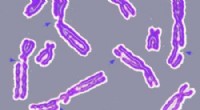
* DNA Sequencing: The organism's DNA is analyzed to determine its genetic makeup.
* Phylogenetic Analysis: By comparing DNA sequences with known species, scientists can create evolutionary relationships and understand how the new organism fits into the tree of life.
* Biochemical Analysis: Scientists analyze the organism's proteins and other molecules to further understand its biology.
4. Classification:
* Binomial Nomenclature: New organisms are given a unique two-part name, following the system developed by Carl Linnaeus. The first part is the genus, the second part is the species.
* Hierarchical System: Organisms are grouped into progressively broader categories: species, genus, family, order, class, phylum, kingdom, domain.
* Taxonomic Keys: Scientists use specialized guides, known as taxonomic keys, to help them identify organisms based on a series of descriptive features.
5. Publication and Recognition:
* Scientific Papers: New discoveries are documented in peer-reviewed scientific journals, providing detailed descriptions, analysis, and comparisons with known organisms.
* International Databases: Information about newly discovered organisms is added to databases like the Catalogue of Life, ensuring international recognition and access.
Challenges in Identification:
* Cryptic Species: Some organisms appear very similar morphologically, but DNA analysis reveals significant genetic differences, indicating they are distinct species.
* Rare Organisms: Locating and studying rare or elusive organisms can be challenging.
* Environmental Change: Rapid environmental changes can lead to the emergence of new species or the extinction of existing ones.
The process of identifying and categorizing new organisms is a complex and ongoing endeavor. It relies on a combination of observation, analysis, and collaboration between scientists worldwide.