1. Bacteria: These are single-celled organisms that are prokaryotic, meaning they lack a nucleus and other membrane-bound organelles. They are found in virtually every environment on Earth and play crucial roles in ecosystems.
2. Amoeba: These are single-celled eukaryotic organisms that move by extending their cytoplasm, forming temporary projections called pseudopodia. They are heterotrophic and consume other microorganisms.
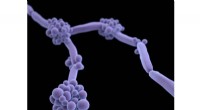
3. Yeast: These are single-celled fungi that are eukaryotic. They are commonly used in baking and brewing due to their ability to ferment sugars into alcohol and carbon dioxide.