Sexual Reproduction
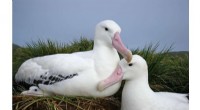
* Involves two parents: A male and a female parent contribute genetic material.
* Genetic variation: Offspring inherit genetic traits from both parents, leading to genetic diversity.
* Gametes (sex cells): Specialized cells called sperm (male) and egg (female) fuse to form a zygote.
* Fertilization: The process where sperm and egg combine to form a zygote.
* Examples: Humans, animals, flowering plants, most trees.
Asexual Reproduction
* Involves only one parent: The parent creates offspring that are genetically identical to itself.
* No genetic variation: Offspring are clones of the parent, with the same DNA.
* No gametes involved: The parent can reproduce by dividing itself (e.g., binary fission) or producing buds (e.g., budding).
* Examples: Bacteria, some plants (like strawberries), some animals (like sea anemones).
Here's a table summarizing the key differences:
| Feature | Sexual Reproduction | Asexual Reproduction |
|---|---|---|
| Parents | Two (male & female) | One |
| Genetic variation | High | Low or none |
| Gametes | Yes | No |
| Fertilization | Yes | No |
| Examples | Humans, animals, flowering plants | Bacteria, some plants, some animals |
Advantages and Disadvantages
* Sexual reproduction:
* Advantages: Increased genetic diversity, adaptation to changing environments.
* Disadvantages: Requires finding a mate, slower reproduction rate.
* Asexual reproduction:
* Advantages: Faster reproduction, no need to find a mate.
* Disadvantages: Lack of genetic variation, may be vulnerable to environmental changes.
In a nutshell:
* Sexual reproduction is about mixing genes and creating diversity.
* Asexual reproduction is about creating copies of oneself.