1. DNA (Deoxyribonucleic Acid)
* The blueprint: DNA is the primary molecule that carries genetic information. It's a long, complex molecule shaped like a double helix (think of a twisted ladder).
* Structure: DNA is made up of building blocks called nucleotides. Each nucleotide has three parts:
* Deoxyribose sugar: A sugar molecule.
* Phosphate group: A negatively charged group.
* Nitrogenous base: One of four molecules: adenine (A), thymine (T), guanine (G), or cytosine (C).
* Code: The sequence of these nitrogenous bases (A, T, G, C) along the DNA molecule is the genetic code. This code determines everything from your eye color to your susceptibility to certain diseases.
2. Genes
* Segments of DNA: Genes are specific segments of DNA that contain instructions for building and maintaining an organism. They are like individual chapters within the entire DNA "book."
* Function: Each gene provides the code for a particular protein or RNA molecule. These molecules play vital roles in various bodily functions.
3. Chromosomes
* Organized DNA: DNA is organized into structures called chromosomes. Chromosomes are made up of tightly coiled DNA and proteins.
* Number: Humans have 23 pairs of chromosomes, with one set from each parent.
4. Cell Nucleus
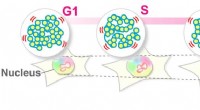
* The control center: In most cells, the DNA is located in the nucleus, which is like the cell's control center. The nucleus protects the DNA and ensures its orderly replication.
5. RNA (Ribonucleic Acid)
* The messenger: DNA is transcribed into RNA. RNA is a single-stranded molecule that carries the genetic code from the DNA in the nucleus to the ribosomes in the cytoplasm.
* Protein synthesis: Ribosomes use the information in RNA to create proteins.
In summary:
* Genetic information originates in DNA, which is organized into chromosomes within the cell nucleus.
* Genes within DNA provide the instructions for building and maintaining an organism.
* DNA is transcribed into RNA, which carries the genetic code to ribosomes for protein synthesis.
* Proteins are the "workhorses" of the cell, carrying out a vast array of functions.
This process of carrying genetic information is essential for the growth, development, and function of every living organism.