* Magnification: Light microscopes use lenses to magnify the image of the specimen, allowing you to see details that are too small to be seen with the naked eye.
* Resolution: They also have sufficient resolution to distinguish between different parts of a cell, making it possible to observe the movement and activities of living organisms.
* Live Observation: Unlike electron microscopes (which require specimens to be dead and prepared in a specific way), light microscopes allow you to observe living organisms in their natural state.
Examples of living organisms you can see under a light microscope:
* Bacteria: These single-celled organisms are readily visible under a light microscope.
* Protozoa: These single-celled eukaryotes can be fascinating to watch as they move and feed.
* Algae: These photosynthetic organisms come in many different forms and sizes.
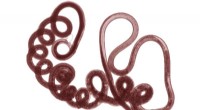
* Small Invertebrates: You can observe the movement of small organisms like rotifers and nematodes.
* Plant cells: You can see the chloroplasts, nucleus, and other structures within living plant cells.
Important Note: The type of light microscope and the specimen preparation techniques used can greatly influence what you can see. For example, a compound light microscope offers higher magnification than a simple light microscope.