1. Obtaining Resources:
* Food: Adaptations can help organisms find, capture, or consume food efficiently. For example, a cheetah's speed helps it catch prey, while a giraffe's long neck allows it to reach leaves high in trees.
* Water: Adaptations can help organisms obtain and conserve water in arid environments. Camels store water in their humps, while cacti have deep roots to access groundwater.
* Sunlight: Plants have adaptations like large leaves and chloroplasts to maximize sunlight absorption for photosynthesis.
2. Protecting from Predators:
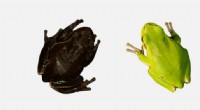
* Camouflage: Adaptations like coloration and patterns help organisms blend into their surroundings, making them harder for predators to spot.
* Defensive mechanisms: Some animals have spines, thorns, or venom to deter predators.
* Mimicry: Some animals mimic poisonous or dangerous animals to scare predators.
3. Surviving Harsh Conditions:
* Temperature regulation: Animals have adaptations like fur, feathers, or sweating to regulate body temperature in extreme climates.
* Salt tolerance: Organisms living in salty environments have adaptations to survive high salt concentrations.
* Dormancy: Some animals enter periods of dormancy during unfavorable conditions, such as hibernation or estivation.
4. Reproduction and Growth:
* Attracting mates: Adaptations like bright colors, elaborate courtship displays, or pheromones help organisms attract mates for successful reproduction.
* Seed dispersal: Plants have adaptations like wind-borne seeds or fleshy fruits to ensure seeds are dispersed far from the parent plant.
5. Competition:
* Competition for resources: Adaptations can help organisms outcompete others for food, water, light, or territory.
* Dominance hierarchies: Adaptations can help organisms establish dominance within a social group, giving them access to resources and mating opportunities.
In summary, adaptations are the result of natural selection, where individuals with traits that help them survive and reproduce in their specific environment are more likely to pass those traits on to their offspring. Over time, this process leads to the evolution of organisms that are well-suited to their environment, increasing their chances of survival and contributing to the diversity of life on Earth.