1. Atoms: The fundamental building blocks of all matter, including living things. Examples include carbon, hydrogen, oxygen, and nitrogen.
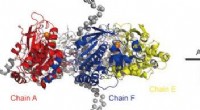
2. Molecules: Two or more atoms bonded together. Examples include water (H2O), proteins, carbohydrates, and lipids.
3. Organelles: Specialized structures within cells that perform specific functions. Examples include the nucleus (contains DNA), mitochondria (energy production), and ribosomes (protein synthesis).
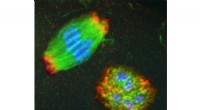
4. Cells: The basic unit of life. Cells are the smallest structures capable of carrying out all life processes. Examples include muscle cells, nerve cells, and blood cells.
5. Tissues: Groups of similar cells that work together to perform a specific function. Examples include muscle tissue, nervous tissue, and connective tissue.
6. Organs: Structures made up of different tissues that work together to perform a specific function. Examples include the heart, lungs, stomach, and brain.
7. Organ Systems: Groups of organs that work together to carry out major life functions. Examples include the circulatory system, digestive system, respiratory system, and nervous system.
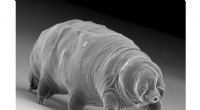
8. Organism: A complete living being made up of all the levels of organization working together. Examples include a human, a dog, a tree, and a bacterium.
9. Population: A group of individuals of the same species living in the same area.
10. Community: All the different populations of organisms living in the same area.
11. Ecosystem: A community of organisms interacting with each other and their non-living environment (like soil, water, and air).
12. Biosphere: The sum of all ecosystems on Earth.
Think of it as a hierarchy: Each level builds upon the previous one, leading to increasing complexity and emergent properties – new characteristics that arise from the interactions of the parts.