Domain: Eukarya (organisms with cells containing a nucleus)
Kingdom: Animalia (multicellular, heterotrophic organisms)
Phylum: Chordata (animals with a notochord, a dorsal hollow nerve cord, pharyngeal slits, and a post-anal tail at some point in their development)
Class: Mammalia (warm-blooded vertebrates with hair, mammary glands, and three middle ear bones)
Order: Primates (mammals with five-fingered hands and five-toed feet, large relative brain size, and forward-facing eyes)
Family: Hominidae (great apes, including humans, chimpanzees, gorillas, and orangutans)
Genus: Homo (extinct and living human species)
Species: Homo sapiens (modern humans)
Important Note: While we are classified as *Homo sapiens*, the scientific community recognizes that there is a lot of variation within our species. This variation exists across geographical regions and throughout history. It's crucial to remember that biological classification is a tool for understanding relationships, not for creating hierarchies or justifying prejudice.
Beyond Taxonomy:
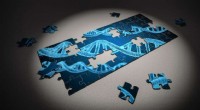
* Genetics: Scientists also use genetic analysis to understand human evolution and relationships between different populations.
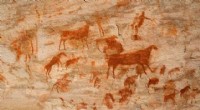
* Anthropology: This field studies human cultures, societies, and origins, providing insights into the diversity of human experiences.
* Paleontology: This discipline focuses on studying fossils and reconstructing the evolutionary history of humans.
In summary, while taxonomy provides a framework for classifying humans, it's only one aspect of understanding our complex species. It's essential to consider the interplay between biology, culture, and history to appreciate the rich tapestry of human diversity.