Biologists:
* Focus: Biologists often use microscopes to study the fundamental building blocks of life. This could include:
* Cells: Examining the structure and function of individual cells, including their organelles.
* Tissues: Analyzing how cells organize themselves into tissues.
* Microorganisms: Observing bacteria, viruses, fungi, and other tiny organisms.
* Genetics: Studying chromosomes, DNA, and other genetic material.
* Types of Microscopes: Biologists use a wide variety of microscopes, including:
* Light microscopes: These are the most common and allow for visualization of stained specimens.
* Electron microscopes: Offer much higher magnification, revealing intricate details of cells and molecules.
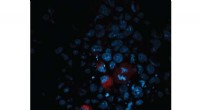
* Fluorescence microscopes: Use fluorescent dyes to illuminate specific structures.
* Applications:
* Research: Discovering new information about how life works.
* Teaching: Demonstrating biological concepts to students.
* Developing new technologies: For example, in biotechnology and biomedicine.
Doctors:
* Focus: Doctors primarily use microscopes for diagnostic purposes. They look for signs of disease in patient samples:
* Blood: Analyzing red blood cells, white blood cells, and platelets for infections, diseases, or abnormalities.
* Tissue samples: Examining biopsies to diagnose cancer, inflammation, or other conditions.
* Fluids: Analyzing urine, cerebrospinal fluid, or other bodily fluids to detect infections or disease markers.
* Types of Microscopes: Doctors typically use:
* Light microscopes: Often basic, bright-field microscopes with limited magnification, mainly for identifying bacteria or other microorganisms.
* Specialized microscopes: Some may use fluorescence or other techniques for specific diagnostic purposes.
* Applications:
* Diagnosis: Identifying diseases and infections.
* Monitoring: Assessing treatment effectiveness and disease progression.
Key Differences:
* Purpose: Biologists focus on understanding fundamental biology, while doctors use microscopes for clinical diagnosis.
* Magnification: While both may use light microscopes, biologists often require higher magnification to study fine cellular details, whereas doctors often focus on larger structures visible with lower magnification.
* Sample Preparation: Biologists often have more elaborate sample preparation techniques, while doctors often use more direct and simpler methods.
Ultimately, both biologists and doctors utilize microscopes for different reasons, but their shared reliance on this technology highlights its power in understanding the world at a microscopic level.