1. Cell membrane: Both bacteria and eukaryotic cells (cells with a nucleus) have a cell membrane that acts as a barrier, controlling the passage of substances in and out of the cell.
2. Cytoplasm: Both types of cells contain cytoplasm, a gel-like substance that fills the cell and contains the cell's organelles.
3. Ribosomes: Both bacteria and eukaryotic cells have ribosomes, which are responsible for protein synthesis.
4. DNA as genetic material: Both bacteria and eukaryotic cells store their genetic information in DNA.
5. Basic metabolic processes: Both bacteria and eukaryotic cells carry out essential metabolic processes like respiration, energy production, and nutrient utilization.
6. Response to stimuli: Both bacteria and eukaryotic cells can respond to environmental stimuli, like changes in temperature or nutrient availability.
7. Growth and reproduction: Both bacteria and eukaryotic cells grow and reproduce, albeit through different mechanisms.
Key Differences:
While these features are common, there are also significant differences between bacterial cells and eukaryotic cells:
* Nucleus: Bacteria lack a true nucleus, while eukaryotic cells have a nucleus that contains their DNA.
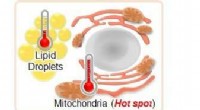
* Organelles: Bacteria have fewer and simpler organelles than eukaryotic cells. For instance, bacteria lack mitochondria, Golgi apparatus, and endoplasmic reticulum.
* Cell wall: Bacteria have a rigid cell wall composed of peptidoglycan, while eukaryotic cells (except for plants and fungi) lack this structure.
In conclusion, bacteria and cells of other organisms share fundamental traits that reflect their common ancestry and the basic requirements for life. However, they also exhibit distinct characteristics that have shaped their diverse evolutionary paths.