1. Atoms: The basic building blocks of matter, such as carbon, hydrogen, oxygen, and nitrogen.
2. Molecules: Two or more atoms bonded together, such as water (H2O) or DNA.
3. Organelles: Specialized structures within cells that perform specific functions, such as mitochondria (energy production) or the nucleus (containing DNA).
4. Cells: The fundamental unit of life, capable of carrying out all life processes.
5. Tissues: Groups of similar cells that work together to perform a specific function, such as muscle tissue or nervous tissue.
6. Organs: Structures composed of different tissues that work together to perform a complex function, such as the heart, lungs, or stomach.
7. Organ Systems: Groups of organs that work together to carry out major bodily functions, such as the circulatory system (heart, blood vessels, blood) or the digestive system (mouth, esophagus, stomach, intestines).
8. Organism: A complete living being, composed of multiple organ systems working in harmony.
9. Population: A group of individuals of the same species living in the same area.
10. Community: All the different populations of organisms living and interacting in a particular area.
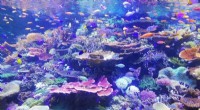
11. Ecosystem: A community of organisms interacting with their physical environment.
12. Biosphere: The sum of all ecosystems on Earth, encompassing all life and its interactions with the environment.