1. Cell Division (Mitosis):
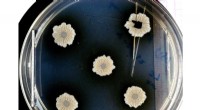
- The most fundamental aspect of growth is the rapid and continuous division of cells.
- Embryonic cells have a high rate of mitosis, producing more cells that differentiate into various tissues and organs.
2. Cell Differentiation:
- As cells divide, they specialize into different types, such as muscle cells, nerve cells, skin cells, etc.
- This process is controlled by genetic programs within the cells, triggered by various signals and factors.
3. Cell Growth:
- Each individual cell also increases in size, adding to the overall growth of the embryo.
- This growth involves the synthesis of new proteins, organelles, and other cellular components.
4. Morphogenesis:
- This refers to the process of shaping the embryo and its organs.
- It involves cell migration, programmed cell death (apoptosis), and interactions between cells, all of which are guided by genetic signals.
5. Nutrient Supply:
- The embryo receives nutrients and oxygen from the mother through the placenta or yolk sac.
- These nutrients provide the building blocks and energy necessary for growth and development.
6. Hormones:
- Hormones play a crucial role in regulating growth and differentiation.
- They are produced by the mother and the embryo itself, influencing various aspects of development.
7. Genetic Factors:
- The embryo's own genetic makeup determines its potential for growth and development.
- Genes control the production of proteins that drive cell division, differentiation, and morphogenesis.
8. Environmental Factors:
- While primarily driven by internal processes, the environment also plays a role.
- Factors like nutrition, temperature, and exposure to toxins can influence growth.
In summary:
The growth of an embryo is a complex interplay of cell division, differentiation, morphogenesis, nutrient supply, hormonal regulation, genetic factors, and environmental influences. Each of these elements contributes to the development of a complete organism.