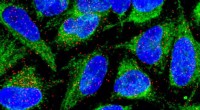
* Cells are microscopic. We don't typically swallow individual cells in a way that they would end up inside our bodies.
* Digestion breaks down food. When you eat food, your digestive system breaks it down into its basic components (like proteins, fats, and carbohydrates) so your body can absorb and use them. This process is so effective that it dismantles any cells in your food.
* Immune system protection. If any foreign cells (like bacteria or viruses) do manage to get past your mouth, your immune system is designed to recognize and destroy them.
What might happen to swallowed cells?
* They are digested. Most likely, any cells you swallow are broken down by your digestive system.
* They are expelled. Some cells might not be fully digested and could pass through your system and be excreted.
When you might swallow cells:
* Organ transplantation. In some cases, during organ transplantation, doctors might prescribe medications to suppress the immune system so the body doesn't reject the new organ. This could mean the body swallows cells from the donated organ.
* Blood transfusions. Blood transfusions involve introducing blood cells from a donor into the recipient. While this isn't exactly "swallowing," the cells are introduced into the body.
In summary, swallowing cells doesn't usually have any significant impact on your body. The digestive system breaks them down, and your immune system protects you from any harmful foreign cells.