Here's a breakdown of what makes a microbe viable:
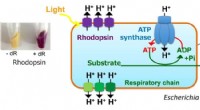
1. Metabolic Activity: Viable microbes exhibit metabolic processes, meaning they can utilize nutrients, produce energy, and carry out essential life functions.
2. Growth and Reproduction: Viable microbes are capable of multiplying and increasing their numbers through processes like binary fission or budding.
3. Response to Stimuli: Viable microbes can respond to environmental changes, like temperature fluctuations, nutrient availability, or the presence of toxins.
4. Genetic Integrity: Viable microbes maintain the integrity of their genetic material (DNA or RNA) and can pass it on to their progeny.
Importance of Viable Microbes:
* Beneficial Microbes: Many viable microbes are essential for life on Earth, playing crucial roles in:
* Nutrient Cycling: Decomposing organic matter and releasing nutrients back into the environment.
* Food Production: Fermenting food and beverages (e.g., yogurt, cheese, bread).
* Human Health: Supporting digestion, promoting immune system function, and producing beneficial compounds.
* Pathogenic Microbes: Some viable microbes are harmful to humans and cause diseases.
* Research and Industry: Viable microbes are used in various research and industrial applications, including:
* Drug development: Producing antibiotics and other pharmaceuticals.
* Bioremediation: Cleaning up environmental pollutants.
* Biotechnology: Producing enzymes, proteins, and other biomolecules.
Assessing Viable Microbes:
There are various methods to assess the viability of microbes, including:
* Microscopic examination: Observing microbes for signs of life, such as movement or growth.
* Culture-based methods: Growing microbes on nutrient media and counting the number of colonies formed.
* Molecular techniques: Detecting specific genes or biomarkers associated with viability.
It's important to note that "viability" is not always a binary state. Some microbes may be in a state of dormancy or reduced metabolic activity, but can still become viable under favorable conditions. This makes determining viability a complex process, requiring careful consideration of the specific microbial species and experimental conditions.