1. Continuous Growth: Roots exhibit continuous growth, meaning they are constantly producing new cells. This allows researchers to observe the cell cycle in action, from the initial stages of DNA replication to cell division, in a readily accessible tissue.
2. Synchronized Cell Division: Root tips contain a region called the root meristem, where cells divide rapidly and synchronously. This synchronicity simplifies the study of the cell cycle, as researchers can focus on a specific stage of division in a large population of cells.
3. Ease of Access: Roots are readily accessible and can be easily removed from plants for analysis. They are also relatively simple in structure, which facilitates the isolation and study of specific cell types.
4. Experimental Flexibility: Roots are amenable to a wide range of experimental techniques, including:
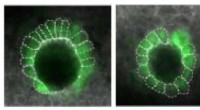
* Microscopy: Light microscopy, electron microscopy, and fluorescence microscopy can be used to visualize the cell cycle processes in real-time.
* Cell Sorting: Techniques like FACS (Fluorescence-activated cell sorting) can isolate cells in specific stages of the cell cycle for further analysis.
* Genetic Manipulation: Roots can be genetically modified to express fluorescent proteins that mark specific cell cycle proteins or DNA regions, allowing researchers to track their behavior.
* Drug Treatments: Roots can be treated with various drugs that block or modify cell cycle progression, helping researchers understand the role of different proteins and pathways.
5. Well-characterized Model Systems: Roots of model plants like *Arabidopsis thaliana* and maize have been extensively studied, leading to a wealth of knowledge about their cell cycle regulation and the genes involved.
In summary: Roots provide an accessible, readily available, and well-characterized model system for studying the cell cycle, with their continuous growth, synchronized cell division, and suitability for various experimental techniques making them an ideal choice for research.