Microscopes:
* Light Microscopes: These use visible light to illuminate and magnify the sample. They are relatively inexpensive and easy to use, making them ideal for basic cell observation. There are different types:
* Bright-field microscope: The most common type, where light shines through the sample.
* Dark-field microscope: Uses a special condenser to only illuminate light that is scattered by the sample.
* Phase-contrast microscope: Uses differences in light phase to create contrast between different cellular structures.
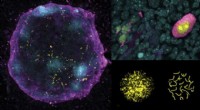
* Fluorescence microscope: Uses fluorescent dyes or proteins to highlight specific structures within the cell.
* Electron Microscopes: These use a beam of electrons to illuminate the sample, providing much higher resolution than light microscopes. They are more expensive and complex to operate.
* Transmission Electron Microscope (TEM): Produces images from electrons that pass through the sample.
* Scanning Electron Microscope (SEM): Produces images from electrons that are scattered from the surface of the sample.
Other Tools:
* Cell Culture Systems: These allow scientists to grow and manipulate cells outside of the body.
* Flow Cytometry: Uses lasers and detectors to analyze and sort individual cells based on their properties.
* Immunofluorescence: Uses antibodies tagged with fluorescent dyes to visualize specific proteins or other molecules within cells.
* Genetic Techniques: These allow researchers to modify the genes of cells to study their function.
* Image Analysis Software: Used to process, analyze, and interpret images obtained from microscopes or other imaging techniques.
The specific tools used will depend on the type of cell being studied and the research question being investigated.