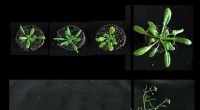
The journey from a gene to a physical trait is a complex and intricate process involving multiple biochemical steps, collectively known as gene expression. This process can be broadly divided into two major stages: transcription and translation.
1. Transcription:
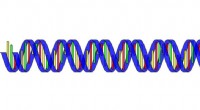
* Unzipping the Code: The gene, residing within the DNA molecule, contains the blueprint for a specific protein. First, the DNA double helix unwinds, exposing the relevant gene sequence.
* RNA Synthesis: An enzyme called RNA polymerase binds to the gene's promoter region, initiating the synthesis of messenger RNA (mRNA). mRNA is a single-stranded copy of the gene's information.
* RNA Processing: The newly synthesized mRNA undergoes several modifications, including splicing, capping, and polyadenylation. These modifications ensure the mRNA is stable and can efficiently be translated into protein.
2. Translation:
* mRNA Travels: The mature mRNA molecule leaves the nucleus and travels to the cytoplasm, where ribosomes are located.
* Ribosome Assembly: The ribosome, along with transfer RNA (tRNA), binds to the mRNA. tRNA molecules, each carrying a specific amino acid, recognize the mRNA codons (sequences of three nucleotides) and deliver the corresponding amino acids.
* Chain Formation: As the ribosome moves along the mRNA, the tRNA molecules deliver their amino acids in the order dictated by the mRNA sequence. These amino acids are linked together by peptide bonds, forming a polypeptide chain.
* Protein Folding: The polypeptide chain folds into a complex three-dimensional structure, guided by interactions between the amino acids. This structure determines the protein's function.
From Protein to Trait:
The newly formed protein, now possessing a unique structure and function, plays a vital role in shaping the organism's physical traits. These traits can manifest in various ways:
* Structural components: Proteins like collagen and keratin form the structural framework of tissues and organs.
* Enzymes: Proteins like lactase and pepsin catalyze biochemical reactions essential for life processes.
* Hormones: Proteins like insulin and growth hormone regulate physiological functions.
* Immune system: Antibodies and other proteins defend the body against pathogens.
Regulation of Gene Expression:
The expression of genes is tightly regulated, ensuring that proteins are produced only when and where they are needed. This regulation occurs at multiple levels, including:
* Transcriptional control: Factors like transcription factors can bind to DNA, regulating the rate of mRNA synthesis.
* Post-transcriptional control: Modifications to mRNA, such as splicing or degradation, can affect the amount of protein produced.
* Translational control: Factors like microRNAs can bind to mRNA and regulate its translation.
Conclusion:
The transformation from gene to trait is a complex symphony of biochemical processes, involving numerous players and intricate regulatory mechanisms. Understanding these processes is crucial for comprehending the diversity of life and for developing new therapeutic strategies for diseases.