Major Groups:
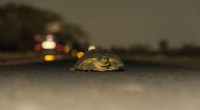
* Turtles (Testudines): Characterized by their bony shell that protects their internal organs. Examples include sea turtles, freshwater turtles, and tortoises.
* Lizards (Squamata, suborder Lacertilia): A diverse group with various body shapes and sizes. Some examples include geckos, iguanas, chameleons, and monitors.
* Snakes (Squamata, suborder Serpentes): Legless reptiles with elongated bodies. They are carnivorous and often venomous.
* Tuataras (Rhynchocephalia): An ancient group with only two living species found in New Zealand. They resemble lizards but have distinct characteristics like a parietal eye.
* Extinct groups: Reptilia also includes several extinct groups like dinosaurs, pterosaurs, and ichthyosaurs.
Common Characteristics:
* Scales: Reptilian skin is covered in scales, which offer protection and help prevent water loss.
* Ectothermic: Reptiles are cold-blooded, meaning they rely on external sources of heat to regulate their body temperature.
* Eggs: Most reptiles lay eggs with leathery shells, although some species are viviparous (give birth to live young).
* Respiration: Reptiles breathe air using lungs.
* Circulatory system: Reptiles have a three-chambered heart, except for crocodilians which have a four-chambered heart.
Key Points:
* The classification of reptiles is constantly evolving as new research emerges.
* The term "reptile" can sometimes be used loosely, and some groups previously considered reptiles (like birds) are now classified separately.
I hope this helps you understand the diversity and characteristics of organisms within Reptilia!