Here's a breakdown:
Key concepts:
* Chemical Transformations: Metabolism involves breaking down (catabolism) and building up (anabolism) molecules.
* Metabolic Pathways: Chemical reactions are organized into interconnected series of reactions called pathways.
* Life-Sustaining: Metabolism provides the energy and materials needed for growth, repair, and maintenance of life.
* Cellular Level: Metabolic processes occur primarily within the cells of organisms.
Two main categories of metabolism:
* Catabolism: The breakdown of complex molecules into simpler ones, releasing energy in the process. Examples include:
* Digestion of food
* Cellular respiration (breaking down glucose for energy)
* Anabolism: The synthesis of complex molecules from simpler ones, requiring energy input. Examples include:
* Building proteins from amino acids
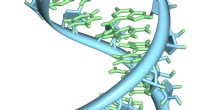
* Synthesizing DNA and RNA
* Creating new cells
Factors that influence metabolism:
* Genetics: Individual genetic makeup influences metabolic rates and pathways.
* Diet: The types and amounts of food consumed affect metabolic processes.
* Exercise: Physical activity increases metabolic rate.
* Hormones: Hormones like insulin and thyroid hormone regulate metabolic processes.
* Age: Metabolic rate naturally declines with age.
Overall, metabolism is a complex and essential process that underpins all life functions. Understanding metabolism is crucial for understanding how organisms function, grow, and respond to their environment.