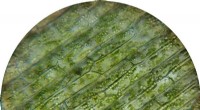
1. Cellular Structure:
* Prokaryotic: Like all bacteria, cyanobacteria lack a membrane-bound nucleus and other membrane-bound organelles. Their genetic material is located in a nucleoid region within the cytoplasm.
* Cell Wall Composition: Cyanobacteria possess a rigid cell wall made primarily of peptidoglycan, a defining characteristic of bacteria.
2. Genetic Similarities:
* Ribosomal RNA: Cyanobacteria have a distinct ribosomal RNA sequence that clusters them closely with other bacteria, particularly gram-negative bacteria.
* Gene Organization: The organization of genes and operons in cyanobacteria is similar to other bacteria, with a circular chromosome and a relatively small genome.
3. Metabolic Similarities:
* Photosynthesis: While cyanobacteria are known for their oxygenic photosynthesis, this process is fundamentally similar to that found in other photosynthetic bacteria.
* Nitrogen Fixation: Cyanobacteria have the ability to fix atmospheric nitrogen, a process that is also found in certain bacteria.
4. Phylogenetic Analysis:
* Evolutionary History: Phylogenetic studies based on various molecular markers have consistently placed cyanobacteria within the domain Bacteria, indicating a close evolutionary relationship with other bacterial groups.
Distinguishing Features:
While cyanobacteria share many traits with other bacteria, they also possess unique features:
* Oxygenic Photosynthesis: Cyanobacteria are the only known prokaryotes to perform oxygenic photosynthesis, using water as an electron donor and releasing oxygen as a byproduct.
* Thylakoid Membranes: They have internal membrane systems called thylakoids where photosynthesis occurs.
* Specialized Cells: Certain cyanobacteria can differentiate into specialized cells, like heterocysts for nitrogen fixation, akinetes for survival, and hormogonia for dispersal.
In summary, despite their distinct photosynthetic capabilities and other unique features, cyanobacteria share fundamental characteristics with other bacteria in terms of cellular structure, genetic makeup, and metabolic pathways, making them definitively classified as members of the domain Bacteria.