Prezygotic mechanisms are barriers that prevent fertilization from occurring in the first place. Think of them as roadblocks that stop two different species from even getting to the point of creating a hybrid offspring.
Here's a breakdown:
What they do:
* Isolate species: They keep gene pools separate, ensuring that the genetic makeup of each species remains distinct.
* Prevent hybrid formation: They act as a safeguard against the production of hybrids, which are often less fit than their parental species.
Types of Prezygotic Mechanisms:
1. Habitat isolation: Two species live in different habitats, even if they are in the same geographic area, they are unlikely to interact. Imagine a squirrel living in the trees and a squirrel living underground - they're in the same forest, but their habitats are different.
2. Temporal isolation: Species breed at different times of day or year, making it impossible for them to mate. Think of a nocturnal animal and a diurnal animal, or a spring-blooming flower and a summer-blooming flower.
3. Behavioral isolation: Different species have different courtship rituals or mating signals. This could be specific calls, dances, or visual displays that only members of the same species recognize.
4. Mechanical isolation: Physical differences in reproductive structures prevent successful mating. This can be seen in differences in the shape or size of reproductive organs, making it impossible for species to physically connect.
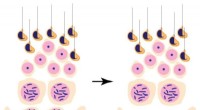
5. Gametic isolation: Even if the gametes (sperm and egg) of two species meet, they may not be compatible. This could be due to chemical incompatibilities, or the sperm may not be able to successfully penetrate the egg.
Examples:
* Habitat isolation: The two species of *Thamnophis* snakes live in the same geographic area but one prefers to live in the water, while the other lives on land.
* Temporal isolation: The western spotted skunk and the easter spotted skunk live in the same geographic area, but the western species breeds in the summer, while the eastern species breeds in the winter.
* Behavioral isolation: Blue-footed boobies have a unique mating dance that only other blue-footed boobies recognize.
* Mechanical isolation: The reproductive organs of snails in different species may not be compatible due to differences in their shape and size.
Understanding prezygotic mechanisms is crucial for:
* Species identification: They can help us identify and differentiate closely related species.
* Evolutionary studies: They provide insights into the processes of speciation and the mechanisms that drive biodiversity.
* Conservation efforts: They can guide conservation strategies by highlighting the importance of maintaining habitat diversity and protecting critical breeding areas.
In summary, prezygotic mechanisms play a fundamental role in maintaining the integrity of species and ensuring the continued evolution of life on Earth.