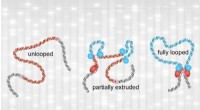
1. Chromosomes: The DNA, normally spread out in the nucleus as chromatin, coils and compacts into chromosomes. These are X-shaped structures, each consisting of two identical sister chromatids held together at a point called the centromere.
2. Condensed and Tightly Packed: Each chromosome is tightly wound around proteins called histones, forming a structure called a nucleosome. These nucleosomes are further coiled and folded, making the DNA incredibly dense and compact.
3. Visible under a Microscope: This condensed state makes the chromosomes visible under a light microscope, allowing us to see their distinct shapes and sizes.
4. Organized and Precise: The arrangement of chromosomes is highly organized. Each species has a specific number of chromosomes, and they are arranged in pairs based on their size, shape, and the genes they carry.
Why the transformation?
This dramatic change in DNA structure is crucial for cell division. Condensed chromosomes:
* Prevent tangling: The compact form prevents the long DNA strands from becoming tangled during division.
* Efficient separation: It allows the chromosomes to be easily separated into two identical sets, one for each daughter cell.
* Precise distribution of genetic information: The organized arrangement ensures that each daughter cell receives a complete and accurate copy of the genetic code.
In summary: When a cell is preparing to divide, its DNA transforms from a loosely organized state into distinct, highly condensed chromosomes. This transformation is essential for accurate and efficient cell division, ensuring that each daughter cell receives a complete and accurate copy of the genetic information.