Here's why:
* Homeostasis is the maintenance of a stable internal environment. This applies to all living things, from single-celled organisms to complex multicellular creatures.
* Cells need to maintain specific conditions to function correctly. These include:
* Temperature: Cells need to operate within a narrow temperature range.
* pH: The acidity or alkalinity of the cell's environment must be balanced.
* Nutrient concentration: Cells require specific nutrients to function and grow.
* Waste removal: Cells need to dispose of waste products.
* Water balance: Cells need to maintain the correct amount of water.
How cells maintain homeostasis:
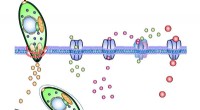
* Cell membranes: These act as barriers, controlling what enters and exits the cell.
* Organelles: Specialized structures within the cell perform specific functions to maintain homeostasis. For example, mitochondria produce energy, and lysosomes break down waste products.
* Metabolic processes: Cells use a variety of chemical reactions to regulate internal conditions.
* Feedback mechanisms: Cells have mechanisms that sense changes in their environment and adjust their activities accordingly.
In summary, cells are incredibly sophisticated and dynamic systems that actively work to maintain a stable internal environment. This is essential for their survival and for the proper functioning of the larger organisms they make up.