Biotic Factors
* Definition: Living organisms within an ecosystem.
* Examples:
* Plants: Trees, grasses, flowers, algae
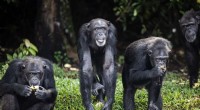
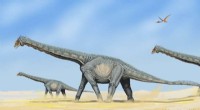
* Animals: Mammals, birds, insects, fish, reptiles
* Microorganisms: Bacteria, fungi, viruses
* Interactions:
* Competition: Organisms fighting for resources like food, water, or territory.
* Predation: One organism hunting and consuming another.
* Parasitism: One organism benefits at the expense of another.
* Mutualism: Two organisms benefit from each other.
* Commensalism: One organism benefits while the other is neither helped nor harmed.
Abiotic Factors
* Definition: Non-living components of an ecosystem.
* Examples:
* Temperature: Affects metabolic rates, distribution of species.
* Light: Essential for photosynthesis, impacts plant growth.
* Water: Essential for all life, influences plant and animal populations.
* Soil: Provides nutrients and support for plants, affects plant and animal communities.
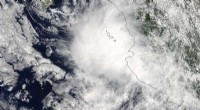
* Air: Provides oxygen for breathing, influences weather patterns.
* pH: Affects soil chemistry and the availability of nutrients.
* Salinity: Affects the survival of aquatic organisms.
* Influence: Abiotic factors directly shape the environment and determine which biotic factors can thrive in a particular area.
Key Differences:
* Living vs. Non-living: Biotic factors are alive, while abiotic factors are not.
* Interactions: Biotic factors interact with each other in complex ways. Abiotic factors primarily influence biotic factors.
* Influence on Ecosystem: Both types of factors are crucial to the functioning of an ecosystem. Biotic factors create and maintain the web of life, while abiotic factors set the stage for how that life unfolds.
Think of it this way: An ecosystem is like a stage play. Abiotic factors are the backdrop, scenery, and lighting, while biotic factors are the actors and their interactions.