Here's a breakdown:
* Climate: The dominant climate of a biome determines what types of plants and animals can survive there. Factors like temperature, precipitation, and sunlight are crucial.
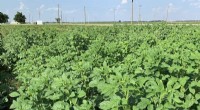
* Vegetation: The dominant plant communities in a biome define its structure and appearance. This includes the types of trees, grasses, shrubs, and other plants present.
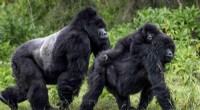
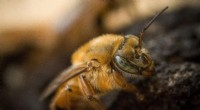
* Animal Life: The animal species found in a biome are adapted to the specific conditions of the environment, such as the climate, food availability, and predators.
Examples of Biomes:
* Tundra: Cold, treeless regions with permafrost and low-growing vegetation.
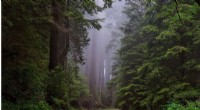
* Taiga: Cold, coniferous forests with long winters.
* Temperate Forest: Deciduous forests with moderate temperatures and rainfall.
* Grassland: Open areas dominated by grasses with seasonal rainfall.
* Desert: Dry regions with low precipitation and extreme temperatures.
* Tropical Rainforest: Hot and humid regions with high rainfall and diverse plant and animal life.
Important Points:
* Biomes are not rigid boundaries. They often blend into each other, creating transition zones.
* Biomes are dynamic and constantly changing, influenced by factors like climate change and human activities.
* The study of biomes is essential for understanding the Earth's ecosystems and their importance for biodiversity and human well-being.