1. Population: A group of individuals of the same species living in the same area at the same time.
* Example: A herd of zebras in the African savanna.
2. Community: All the different populations of interacting species within a given area.
* Example: The community of a forest might include trees, birds, insects, fungi, and bacteria.
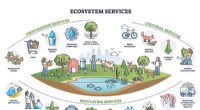
3. Ecosystem: A community of organisms and their physical environment. This includes both living (biotic) and non-living (abiotic) components.
* Example: A coral reef ecosystem includes the coral itself, fish, algae, sea turtles, water temperature, salinity, and sunlight.
4. Biome: A large-scale ecosystem characterized by similar climate conditions and dominant plant and animal life.
* Example: Tropical rainforest, desert, tundra, temperate deciduous forest.
5. Biosphere: The sum of all ecosystems on Earth. It encompasses all life and the parts of Earth where life exists (land, water, and air).
Key Points to Remember:
* Interdependence: Each level is dependent on the others. For example, a population of zebras needs grass to survive, and the ecosystem of the savanna needs zebras to help control plant growth.
* Hierarchical Organization: Each level builds upon the previous one, creating a complex and interconnected web of life.
* Dynamic Systems: All these levels are constantly changing and adapting over time.
Let me know if you'd like more detail on any of these levels!