* Heterotrophs: These organisms cannot produce their own food and must consume other organisms for energy and nutrients. This category includes:
* Herbivores: Organisms that eat plants (e.g., cows, rabbits, deer).
* Carnivores: Organisms that eat other animals (e.g., lions, sharks, eagles).
* Omnivores: Organisms that eat both plants and animals (e.g., humans, bears, pigs).
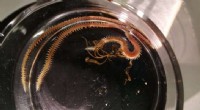
* Detritivores: Organisms that feed on dead organic matter (e.g., earthworms, fungi, bacteria).
* Parasites: Organisms that live in or on another organism (the host) and obtain their food from the host (e.g., tapeworms, ticks, fleas).
Let's break it down further:
* Producers (Autotrophs): These organisms make their own food through photosynthesis, like plants and algae. They form the base of the food chain.
* Consumers (Heterotrophs): These organisms consume other organisms for energy. They can be primary (herbivores), secondary (carnivores that eat herbivores), or tertiary (carnivores that eat other carnivores).
In summary:
Almost all organisms on Earth are interconnected through food webs. The dependence of one organism on another for food creates a complex and delicate balance in the ecosystem.