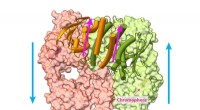
Cyclins and Cyclin-Dependent Kinases (CDKs):
* Cyclins: These proteins are regulatory proteins that fluctuate in concentration throughout the cell cycle. They act as "activators" for CDKs.
* Cyclin-Dependent Kinases (CDKs): These are enzymes that phosphorylate (add a phosphate group) to other proteins, leading to their activation or deactivation. They are only active when bound to a cyclin.
Different cyclin-CDK complexes are active at different stages of the cell cycle:
* G1-CDK: Helps the cell commit to entering the cell cycle.
* S-CDK: Initiates DNA replication and ensures that it only happens once per cycle.
* M-CDK: Controls the entry into mitosis and promotes the breakdown of the nuclear envelope, spindle fiber formation, and chromosome segregation.
Other key molecules:
* Checkpoint Proteins: These proteins monitor different stages of the cell cycle and stop it if something goes wrong. For example:
* DNA damage checkpoint: Checks for DNA damage before replication begins.
* Spindle assembly checkpoint: Ensures that all chromosomes are properly attached to the spindle fibers before the cell divides.
* Growth Factors: These are signaling molecules that stimulate cell growth and division.
* Tumor Suppressor Genes: These genes encode proteins that inhibit cell growth and division and prevent cancer development.
* Proto-oncogenes: These genes encode proteins that promote cell growth and division, but if mutated can become oncogenes that contribute to cancer.
The interaction of these molecules creates a complex network that ensures the proper timing and order of events in the cell cycle. Dysregulation of these molecules can lead to uncontrolled cell growth and cancer.