Decomposition is a complex process where organic matter is broken down into simpler substances by various organisms. This is a fundamental part of the natural world, recycling nutrients and releasing energy back into the ecosystem. Here's a breakdown of the process:
1. The Decomposers:
* Bacteria and Fungi: The primary players in decomposition. They thrive on the organic matter, secreting enzymes that break down complex molecules into simpler ones.
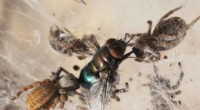
* Insects: Insects like beetles, flies, and ants feed on decaying material and play a crucial role in breaking it down into smaller pieces.
* Other Organisms: Earthworms, millipedes, and even larger animals like vultures contribute to the process by consuming and breaking down dead organisms.
2. The Process:
* Breakdown of Complex Molecules: Decomposers secrete enzymes that break down complex molecules like carbohydrates, proteins, and fats into simpler molecules. This releases energy for the decomposers to use.
* Nutrient Release: As these complex molecules are broken down, essential nutrients like nitrogen, phosphorus, and potassium are released back into the soil, making them available for plants to use.
* Humus Formation: The final stage of decomposition results in the formation of humus, a stable, dark-colored substance rich in nutrients. Humus improves soil structure and fertility.
3. Factors Affecting Decomposition:
* Temperature: Warmer temperatures generally speed up decomposition due to increased microbial activity.
* Moisture: Moisture is crucial for microbial growth and enzymatic activity, promoting decomposition.
* Oxygen: Aerobic bacteria require oxygen for decomposition, while anaerobic bacteria can break down matter in oxygen-poor environments.
* pH: The acidity or alkalinity of the environment influences the types of decomposers present and the rate of decomposition.
* The Type of Material: Decomposition rates vary depending on the type of organic matter. For example, wood decomposes more slowly than leaves.
4. Importance of Decomposition:
* Nutrient Recycling: Decomposition plays a crucial role in nutrient cycling by returning essential elements back to the ecosystem.
* Soil Health: The formation of humus improves soil structure, fertility, and water retention.
* Waste Removal: Decomposers are nature's cleaners, breaking down dead organisms and waste, preventing the accumulation of organic matter.
5. Human Impact:
* Pollution: Pollutants like plastics and heavy metals can hinder decomposition, leading to the accumulation of waste.
* Landfills: Landfills create anaerobic environments, slowing down decomposition and contributing to greenhouse gas emissions.
* Composting: Composting is a human-controlled process that mimics decomposition, turning organic waste into valuable fertilizer.
In conclusion: Decomposition is a complex and vital process that drives the flow of energy and nutrients in ecosystems. By understanding the factors affecting decomposition, we can promote healthy ecosystems and minimize our environmental impact.