Biotic Factors are the living components of an ecosystem. These factors directly influence the life of a water dwelling organism in various ways:
* Food Availability:
* Competition: Organisms compete for food, like a trout competing with other trout for the same insects.
* Predation: Organisms prey on others, like a largemouth bass eating smaller fish.
* Symbiosis: Organisms have close relationships:
* Mutualism: Both organisms benefit, like a cleaner fish removing parasites from a larger fish.
* Commensalism: One organism benefits, the other is unaffected, like a barnacle attaching to a whale.
* Parasitism: One organism benefits at the expense of the other, like a tapeworm living in the intestines of a fish.
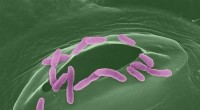
* Disease: Bacteria, viruses, and parasites can cause disease in water dwelling organisms, affecting their health and survival.
* Population Density: The number of individuals of the same species in a given area can impact resources, competition, and breeding success.
* Species Diversity: A diverse ecosystem has a wider range of food sources and potential habitats, providing more opportunities for survival and adaptation.
* Human Impact: Pollution, habitat destruction, and overfishing directly impact aquatic ecosystems.
Example:
Imagine a freshwater lake. Biotic factors like the abundance of algae (food source for small fish), the presence of predatory bass (affecting the population of smaller fish), and the prevalence of a parasitic disease (weakening the fish) will all significantly influence the lives of organisms within that lake.
Key Point: Biotic factors are constantly interacting and influencing each other, creating a complex web of relationships that determine the survival and success of water dwelling organisms.