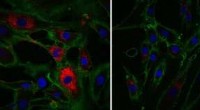
1. Cells: The fundamental unit of life. They are the smallest, self-contained units capable of carrying out all the processes necessary for life. Each cell has a specific structure and function.
2. Tissues: Groups of similar cells that work together to perform a specific function. There are four main types of tissues in the human body:
* Epithelial tissue: Covers surfaces, lines cavities, and forms glands.
* Connective tissue: Supports and connects other tissues (e.g., bone, cartilage, blood).
* Muscle tissue: Allows for movement (e.g., skeletal, smooth, cardiac).
* Nervous tissue: Transmits information throughout the body.
3. Organs: Structures made up of two or more different types of tissues that work together to perform a specific function. Examples include:
* Heart: Pumps blood throughout the body.
* Lungs: Exchange oxygen and carbon dioxide.
* Stomach: Digests food.
* Brain: Controls thoughts, emotions, and actions.
4. Organ Systems: Groups of organs that work together to perform a major bodily function. Examples include:
* Circulatory system: Transports blood, oxygen, and nutrients.
* Digestive system: Breaks down food and absorbs nutrients.
* Respiratory system: Allows for gas exchange.
* Nervous system: Coordinates and controls bodily functions.
In summary:
* Cells are the basic building blocks of life.
* Tissues are collections of similar cells working together.
* Organs are made up of different tissues working together for a specific purpose.
* Organ systems are groups of organs that work together to carry out major life functions.
This organized structure allows for the efficient and coordinated functioning of complex organisms like humans.