Healthcare:
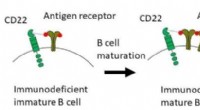
* Disease diagnosis and treatment: Biotechnology has led to the development of rapid and accurate diagnostic tests, personalized medicine tailored to individual genetic profiles, and innovative therapies like gene therapy and immunotherapy for diseases like cancer and genetic disorders.
* Drug development: Biotechnology has revolutionized drug discovery and development. Using techniques like high-throughput screening and recombinant DNA technology, scientists can identify potential drug candidates faster and more efficiently.
* Vaccines and antibiotics: Biotechnology has been instrumental in creating vaccines for diseases like polio, measles, and HPV, and developing new antibiotics to fight drug-resistant bacteria.
* Tissue engineering and regenerative medicine: Biotechnology is being used to develop artificial organs and tissues, allowing for transplants and healing for patients with organ failure or injuries.
Agriculture:
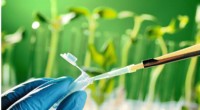
* Improved crop yields: Biotechnology has led to genetically modified crops that are resistant to pests, diseases, and herbicides, resulting in higher yields and reduced reliance on pesticides.
* Enhanced nutritional content: Biotechnology allows for the development of crops with higher nutritional value, like golden rice fortified with vitamin A.
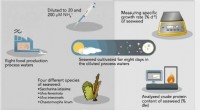
* Sustainable agriculture: Biotechnological solutions like nitrogen-fixing bacteria and biopesticides promote sustainable farming practices.
Environment:
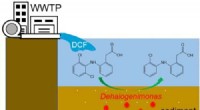
* Bioremediation: Biotechnology is used to clean up contaminated soil and water using microbes that break down pollutants.
* Renewable energy: Biotechnology can produce biofuels like ethanol from plant matter, reducing our dependence on fossil fuels.
* Waste management: Biotechnology can be used to break down organic waste and produce biogas, a sustainable energy source.
Beyond Healthcare and Agriculture:
* Forensic science: Biotechnology plays a crucial role in DNA fingerprinting, used in criminal investigations and paternity testing.
* Bioethics and social impact: Biotechnology raises ethical questions about genetic engineering, privacy, and the future of humanity, prompting important discussions and regulations.
Challenges and Concerns:
* Cost and accessibility: Biotechnology treatments and technologies can be expensive, limiting access for certain populations.
* Ethical concerns: Ethical dilemmas arise from genetic engineering, cloning, and other advanced biotechnology applications.
* Regulation and safety: Stringent regulations are needed to ensure the responsible development and use of biotechnology.
In conclusion, biotechnology offers tremendous potential to improve human life in various ways, from treating diseases and enhancing food production to protecting our environment and understanding our own biology. However, responsible development and ethical considerations are crucial to harness the full benefits of this powerful technology.