1. Atom: The fundamental building block of all matter, including living things.
2. Molecule: Two or more atoms bonded together. Examples include water (H2O) and DNA.
3. Organelle: A specialized structure within a cell that performs a specific function (e.g., mitochondria, nucleus).
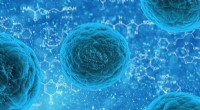
4. Cell: The basic unit of life, enclosed by a membrane and containing organelles.
5. Tissue: A group of similar cells working together to perform a specific function (e.g., muscle tissue, nervous tissue).
6. Organ: A structure made up of different tissues that work together to perform a complex function (e.g., heart, brain, stomach).
7. Organ System: A group of organs that work together to carry out major bodily functions (e.g., digestive system, circulatory system).
8. Organism: A complete living being made up of organ systems.
9. Population: A group of individuals of the same species living in the same area.
10. Community: All the different populations of organisms living and interacting in the same area.
11. Ecosystem: A community of organisms interacting with their physical environment.
12. Biosphere: The sum of all ecosystems on Earth, encompassing all life and its interactions with the environment.