1. Breaking Down Dead Organisms:
* Decomposers, primarily bacteria and fungi, break down dead plants and animals, including waste products like feces and urine.
* They release the nutrients locked up in these dead organisms back into the environment.
2. Nutrient Cycling:
* The released nutrients, like nitrogen, phosphorus, and carbon, become available for use by plants.
* This process is essential for maintaining soil fertility and supporting plant growth.
* Without decomposers, nutrients would remain locked in dead organisms, leading to nutrient depletion and ecological imbalances.
3. Maintaining Ecosystem Health:
* Decomposition helps to remove dead organic matter from the environment, preventing the accumulation of waste and disease.
* It also contributes to the formation of humus, a rich soil component that improves soil structure and water retention.
4. Energy Flow:
* Although decomposers are not part of the traditional food chain, they are essential for the flow of energy through the ecosystem.
* They break down dead organisms, releasing energy that can be used by other organisms.
5. Examples of Decomposers:
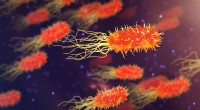
* Bacteria: Found in soil, water, and even the bodies of living organisms, bacteria break down complex organic matter into simpler substances.
* Fungi: Often seen as mushrooms and molds, fungi play a significant role in decomposing wood and other plant materials.
In conclusion, decomposers are essential for maintaining the balance and health of ecosystems. They play a vital role in nutrient cycling, energy flow, and waste removal, contributing to the overall sustainability of life on Earth.