Here's a breakdown of what homeostasis means:
* Homeostasis: The ability of a cell (or an organism) to maintain a stable internal environment despite changes in the external environment. Think of it like a thermostat in your house keeping the temperature comfortable even when it's hot or cold outside.
* Why is it important? Cells can only function properly within a narrow range of conditions. Maintaining homeostasis ensures that the cells have the right temperature, pH, water balance, and nutrients to function optimally.
* How is it maintained? Cells have complex mechanisms to regulate their internal environment. These include:
* Feedback mechanisms: These are systems that monitor internal conditions and adjust them as needed. For example, if your body temperature gets too high, you sweat to cool down.
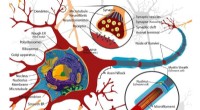
* Membrane transport: Cell membranes control what enters and leaves the cell, ensuring the right balance of nutrients and waste products.
* Metabolic processes: Cells constantly carry out chemical reactions to produce energy, break down nutrients, and remove waste.
In summary, homeostasis is the key to cell survival and function. It allows cells to maintain a stable internal environment despite external fluctuations, ensuring they can operate optimally.