1. Atoms: The basic building blocks of matter.
2. Molecules: Two or more atoms bonded together. Examples include water (H2O), DNA, and proteins.
3. Organelles: Specialized structures within cells that carry out specific functions. Examples include the nucleus, mitochondria, and Golgi apparatus.
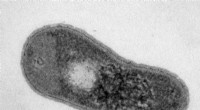
4. Cells: The fundamental unit of life. They are the smallest units that can carry out all the processes of life.
5. Tissues: Groups of similar cells that work together to perform a specific function. Examples include muscle tissue, nervous tissue, and connective tissue.
6. Organs: Structures composed of different tissues that work together to perform a specific function. Examples include the heart, lungs, and brain.
7. Organ Systems: Groups of organs that work together to perform a major bodily function. Examples include the digestive system, the respiratory system, and the circulatory system.
8. Organism: A complete living being made up of multiple organ systems working together.
This hierarchy demonstrates the complex and interconnected nature of life. Each level builds upon the previous one, contributing to the overall function and survival of the organism.