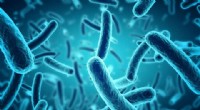
1. DNA Replication: The single, circular chromosome of the bacterium replicates, creating two identical copies.
2. Cell Growth: The cell elongates and grows in size.
3. Septum Formation: A new cell wall, called a septum, forms across the middle of the elongated cell.
4. Cell Division: The septum completely divides the cell into two identical daughter cells, each containing a copy of the bacterial chromosome.
This process allows Streptococcus pyogenes to multiply rapidly, which contributes to its ability to cause infection.
Here are some additional points to consider:
* Growth Conditions: Streptococcus pyogenes needs the right conditions to grow and reproduce. These include adequate nutrients, temperature (optimal around 37°C), and moisture.
* Virulence Factors: Streptococcus pyogenes produces several virulence factors, such as toxins and enzymes, that contribute to its ability to cause disease. These factors can help the bacteria evade the host's immune system and cause tissue damage.
In summary: Streptococcus pyogenes reproduces through binary fission, a process of cell division that creates two identical daughter cells from a single parent cell. This rapid reproduction, combined with its virulence factors, makes it a potent pathogen.