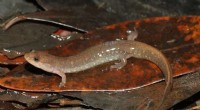
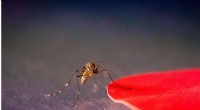
Coevolution happens when two or more species reciprocally influence each other's evolution. This means that the changes in one species drive changes in the other species, and vice versa.
Here are some examples of coevolution:
* Predator-prey relationships: Predators evolve to become more efficient at hunting, while prey evolves to become better at evading predators.
* Parasite-host relationships: Parasites evolve to become better at exploiting their hosts, while hosts evolve to become more resistant to parasites.
* Mutualistic relationships: Two species benefit from their interaction and evolve to become better at cooperating. For example, flowers evolve to attract specific pollinators, while pollinators evolve to become more efficient at gathering nectar from those flowers.
Coevolution is a powerful force in shaping the diversity of life on Earth. It can lead to the development of complex and fascinating relationships between species.