Plant Cells:
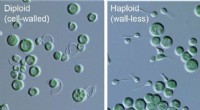
* Cell Wall: A rigid outer layer made of cellulose. This provides structure and support, allowing plants to grow tall and withstand pressure.
* Chloroplasts: Contain chlorophyll, the pigment that captures sunlight for photosynthesis. This allows plants to produce their own food, giving them the ability to thrive in diverse environments.
* Large Central Vacuole: A large storage space for water and nutrients, contributing to turgor pressure (the rigidity of plant cells), and helping regulate the plant's water balance.
* Plasmodesmata: Channels that connect adjacent plant cells, allowing for communication and transport of substances between them.
Advantages for Plants:
* Autotrophic: Can create their own food, eliminating the need to hunt or compete for resources.
* Adapted for stationary life: The cell wall provides structure and support, allowing plants to thrive in diverse environments while remaining rooted in place.
* Efficient resource utilization: Photosynthesis allows plants to make use of sunlight, a readily available energy source.
Animal Cells:
* No cell wall: Flexible structure allows for movement and complex tissue formation.
* Lysosomes: Organelles that break down waste products and cellular debris, helping maintain cellular health and contribute to cell differentiation.
* Centrioles: Structures involved in cell division, ensuring accurate replication and growth.
* More complex cytoskeleton: A network of protein filaments that provides structural support and allows for complex movements and cellular processes.
Advantages for Animals:
* Heterotrophic: Able to move around and consume other organisms for energy, allowing for greater mobility and adaptability to different environments.
* Specialized tissues and organs: Lack of a cell wall enables the formation of complex tissues and organs for specialized functions.
* Rapid response to stimuli: Animal cells can quickly react to changes in their environment, enabling them to evade danger and seek resources.
Conclusion:
Both plant and animal cells have evolved to thrive in their respective environments. Plant cells are efficient at utilizing sunlight for energy and building rigid structures, while animal cells are adapted for mobility and complex processes. There is no single "better" cell type - they both contribute to the incredible diversity and success of life on Earth.