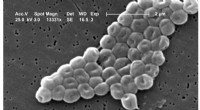
1. Prokaryotic cells: These cells lack a true nucleus and other membrane-bound organelles. They are generally smaller and simpler than eukaryotic cells. Examples include bacteria and archaea.
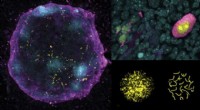
2. Eukaryotic cells: These cells have a true nucleus that contains their genetic material (DNA), as well as other membrane-bound organelles. They are generally larger and more complex than prokaryotic cells. Examples include plants, animals, fungi, and protists.