1. Archaea
* Cellular Structure: Prokaryotic (lacking a true nucleus and membrane-bound organelles)
* Cell Wall: Unique composition, often containing pseudomurein instead of peptidoglycan
* Mode of Nutrition: Diverse, including chemosynthesis, phototrophy, and heterotrophy
* Habitat: Extreme environments (hot springs, salt lakes, acidic environments)
* Examples: Methanogens, halophiles, thermophiles
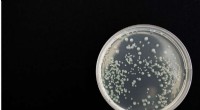
2. Bacteria
* Cellular Structure: Prokaryotic
* Cell Wall: Contains peptidoglycan
* Mode of Nutrition: Diverse, including photosynthesis, chemosynthesis, and heterotrophy
* Habitat: Ubiquitous (found in all environments)
* Examples: E. coli, cyanobacteria, nitrogen-fixing bacteria
3. Protista
* Cellular Structure: Eukaryotic (possessing a true nucleus and membrane-bound organelles)
* Cell Wall: Some have cell walls, others do not
* Mode of Nutrition: Diverse, including photosynthesis, heterotrophy, and mixotrophy
* Habitat: Aquatic environments, moist soil
* Examples: Amoeba, algae, paramecium
4. Fungi
* Cellular Structure: Eukaryotic
* Cell Wall: Composed of chitin
* Mode of Nutrition: Heterotrophic (absorptive)
* Habitat: Diverse, including soil, wood, and living organisms
* Examples: Mushrooms, yeasts, molds
5. Plantae
* Cellular Structure: Eukaryotic
* Cell Wall: Composed of cellulose
* Mode of Nutrition: Autotrophic (photosynthetic)
* Habitat: Terrestrial and aquatic environments
* Examples: Trees, flowers, ferns, mosses
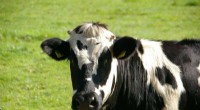
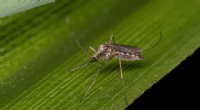
6. Animalia
* Cellular Structure: Eukaryotic
* Cell Wall: Lacking
* Mode of Nutrition: Heterotrophic (ingestive)
* Habitat: Diverse, including terrestrial and aquatic environments
* Examples: Humans, insects, fish, birds
Important Note: This six-kingdom system is not universally accepted, and some scientists prefer a three-domain system (Bacteria, Archaea, Eukarya) which reflects the evolutionary relationships between organisms more accurately.