Cells:
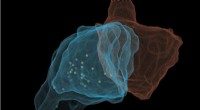
* The building blocks of life: Cells are the fundamental, self-contained units of all living organisms.
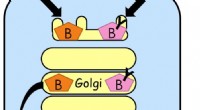
* Structure and function: They have a complex internal structure (organelles) that performs specific functions, like energy production, waste removal, and protein synthesis.
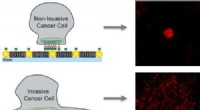
* Diverse types: Different types of cells exist within a single organism, each specialized for a particular function (e.g., muscle cells, nerve cells, blood cells).
* Contain DNA: Cells hold their genetic information in the form of DNA (deoxyribonucleic acid).
Genes:
* Units of heredity: Genes are segments of DNA that code for specific traits or characteristics.
* Blueprint for proteins: Genes provide instructions for building proteins, which are the workhorses of the cell.
* Variations: Variations in genes (alleles) account for the differences we see between individuals, like eye color or hair texture.
* Located on chromosomes: Genes are organized along structures called chromosomes, which are found within the nucleus of a cell.
Analogy:
Think of a cell as a factory and a gene as a blueprint for a specific machine. The factory (cell) uses the blueprint (gene) to create a machine (protein) that performs a specific function.
In summary:
* Cells are like the buildings of life, while genes are like the blueprints for constructing those buildings.
* Genes are located within cells, providing the instructions for cell function.
Let me know if you'd like to delve into any of these concepts in more detail!