1. Messenger RNA (mRNA):
* Function: Carries genetic information from DNA in the nucleus to the ribosomes in the cytoplasm, where proteins are synthesized.
* Structure: Linear, single-stranded molecule with a 5' cap and a poly-A tail.
* Note: mRNA is the only type of RNA that is directly translated into protein.
2. Transfer RNA (tRNA):
* Function: Acts as an adapter molecule, bringing specific amino acids to the ribosomes during protein synthesis, based on the codons in the mRNA.
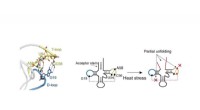
* Structure: Cloverleaf-shaped, with a specific anticodon loop that recognizes a specific codon on the mRNA.
* Note: Each tRNA molecule is specific for a particular amino acid.
3. Ribosomal RNA (rRNA):
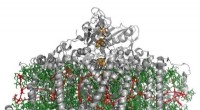
* Function: Forms the core of the ribosomes, the molecular machines responsible for protein synthesis.
* Structure: Folded into complex, three-dimensional structures, forming the ribosome's catalytic center.
* Note: rRNA makes up the majority of the ribosomal structure and plays a key role in the translation process.
4. Small RNA (sRNA):
* Function: A broad category of small, non-coding RNAs involved in various regulatory functions, including:
* MicroRNAs (miRNAs): Regulate gene expression by binding to mRNAs and inhibiting their translation.
* Small interfering RNAs (siRNAs): Trigger degradation of specific mRNAs, effectively silencing gene expression.
* Other small RNAs: Involved in diverse roles like chromosome stability, translation regulation, and defense against viruses.
* Structure: Varying, depending on the specific sRNA type.
In addition to these four main types, there are other specialized types of RNA, including:
* Small nuclear RNA (snRNA): Found in the nucleus and involved in splicing, the process of removing introns from pre-mRNA.
* Guide RNA (gRNA): Used in the process of RNA editing in trypanosomes and other organisms.
Understanding the different types of RNA is essential for comprehending how genetic information is stored, processed, and used to build proteins, the workhorses of our cells.