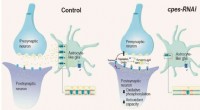
* Neurons: Nerve cells in the brain and nervous system are responsible for transmitting information. Once they differentiate, they generally do not divide. This is why damage to the brain or spinal cord can be so severe, as lost neurons are not easily replaced.
* Cardiac muscle cells: These cells make up the heart and are responsible for pumping blood. Like neurons, they are post-mitotic and cannot readily regenerate. This is why heart attacks can be so damaging, as damaged heart muscle is often replaced by scar tissue.
* Skeletal muscle cells: While skeletal muscle cells can undergo some limited division, they primarily grow in size rather than number.
* Red blood cells: These cells, responsible for carrying oxygen, lose their nucleus during maturation and are therefore unable to divide.
* Lens cells of the eye: These cells are highly specialized and do not divide once they reach maturity.
It's important to note that some of these cell types may have limited regenerative capacity under certain circumstances. For example, some neurons may be able to divide in specific regions of the brain, and skeletal muscle cells can regenerate to a limited extent. However, for the most part, these cell types are considered post-mitotic and do not readily divide.
The lack of division in these cells can be advantageous in some cases, such as ensuring the stability of nervous system connections or preventing uncontrolled cell growth in the heart. However, it also makes them vulnerable to damage and disease. Research is ongoing to understand the mechanisms underlying cell division and to develop therapies that can promote regeneration in these post-mitotic cell types.