1. Glucose Production: Photosynthesis uses sunlight, water, and carbon dioxide to produce glucose, a simple sugar. Glucose is the primary energy source for plant cells, but it also serves as a building block for other essential molecules.
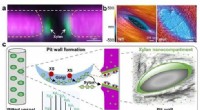
2. Production of Cellulose: Glucose is used to create cellulose, a complex carbohydrate that forms the rigid cell walls of plant cells. Cellulose provides structural support and strength, allowing plants to grow tall and upright.
3. Production of Other Biomolecules: Glucose is also used to synthesize other vital biomolecules, such as:
* Proteins: Essential for enzymes, hormones, and structural components.
* Lipids (fats): For energy storage and membrane structure.
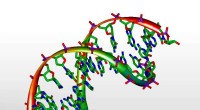
* Nucleic acids (DNA and RNA): Carry genetic information and guide cellular processes.
In summary: Photosynthesis provides the necessary energy and building blocks, primarily in the form of glucose, which are then used to create the structural components of plant cells, like cellulose, and other essential biomolecules.
Without photosynthesis, plants wouldn't have the ability to grow, build new cells, or maintain their structure. This would have a drastic impact on the entire ecosystem, as plants are the foundation of many food chains.